






April 08, 2026

 Nick King/Imagn Images
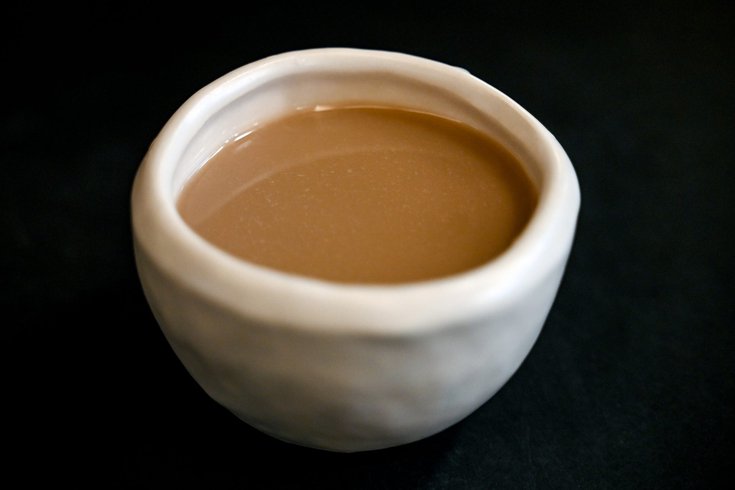
Kava, a traditional plant from the Pacific Islands, has become more popular in the United States due to its sedative effects. Pictured here, a cup of kava served at a kava bar in Lansing, Michigan.
Kava, a shrub native to the Pacific islands, traditionally has been used for ceremonial and medicinal purposes, in part due to its mild psychoactive and sedative effects. But its use as an herbal supplement and in teas and drinks has risen in popularity in the United States in recent years.
Kava bars and coffee shops that mix the extract into drinks, often offered as an alternative to alcohol, have sprung up in Philadelphia and around the country. Kava drinks, pills, extracts and other products are widely available online, marketed as inducing calm and improved mood.
MORE: Wait times for medical imaging results have doubled amid a radiologist shortage
Decades ago, the U.S. Food and Drug Administration warned about potential liver damage resulting from the use of kava supplements, which are unregulated in the United States. But a new report from the Centers for Disease Control and Prevention says that calls to poison control centers for health problems related to kava have increased significantly in recent years.
Such calls dipped sharply after the FDA's 2002 warning. But they have risen steadily since 2011, particularly among men 20 and older, according to the CDC's latest Morbidity and Mortality Weekly Report.
"We are now experiencing an increase in calls again as new kava products enter the market, including products mixed with other substances such as kratom that can cause adverse interactions," said Dr. Chris Holstege, director of the University of Virginia Health's Blue Ridge Poison Center, who co-authored the study.
Poison centers received 57 kava-related calls in 2011, compared to 203 in 2025. The combined use of kava and kratom accounted for 30% of the calls, the report says.
Kratom, derived from a tree indigenous to Southeast Asia, has been increasingly sold in products in the United States – often in the synthetic form 7-OH, sometimes referred to as "gas station heroin." At low doses, kratom acts as a stimulant, with more sedative effects at higher doses. It has been reported to cause opioid-like withdrawal, anxiety and depression among regular users.
The National Institute on Drug Abuse notes that some people are using kratom to manage withdrawal from opioids and to treat pain and other health issues – and that more research is needed to evaluate kratom's potential medical benefits.
The active compounds in kava can help reduce symptoms of anxiety, but kava products in the United States can be as much as 10 times stronger than traditional versions. Dangers include rapid heartbeat, dizziness, vomiting and potential liver damage.
Neither kava or kratom are scheduled drugs under the Controlled Substances Act, but the U.S. Drug Enforcement Agency has listed kratom as a drug of concern. The FDA has not approved kava or kratom for any medical purposes.