






July 08, 2026

 Problem Solved/USA TODAY via Reuters Connect
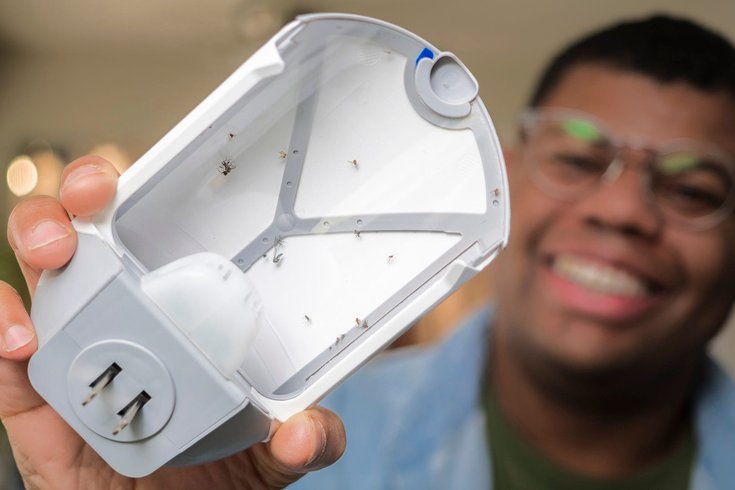
Commercial insect traps are one way to deal with fruit fly infestations. Home remedies also can be successful.
One of summer's bounties are its fruits, berries, peaches, tomatoes and melons. But fruit fly infestations can be a major summer bummer.
"When temperatures increase, most insects' metabolisms increase, too," Josh Shoemaker, an entomologist, told Food & Wine last month. "Their life cycles are more compressed — therefore shorter — and they reproduce more."
This is especially true for fruit flies, common household pests that feed off of overripe fruit. Adult fruit flies also feed on rotting vegetables. Fruit flies breed in damp spots in bathrooms and sometimes in plants.
Though fruit flies do not sting or bite, they can move germs from place to place, occasionally causing illness from salmonella, E. coli and listeria, WebMD says.
Aside from physical illness, fruit fly infestations can destroy large amounts of food and cause a lot of frustration.
Fruit flies, also known as vinegar flies, are tiny, around 1/10-inch. They are small enough to pass through window screens, from tomatoes over-ripening on vines in an outdoor pot into the kitchen. And they thrive on rotting fruit and other organic matter indoors, on kitchen counters, in trash cans and in drains.
Female fruit flies can lay hundreds of eggs on moist, fermenting fruits, hatching larvae within a day and becoming adults within a week. So it is important to act quickly to prevent their rapid multiplication.
The first step is to wash and dry fruit and produce before storing. This removes any existing larvae. Also, throw away any rotting fruit and food, and take out the trash on a regular basis. Check to make sure onions and potatoes are not rotting or leaking fluid. Storing fruit in the refrigerator when possible is also a good idea, Good Housekeeping reports.
Cleaning up spills and regularly cleaning and sanitizing kitchen counters, sinks and trash cans also helps. Covering a drain overnight with a plastic bag or wrap and checking it in the morning for evidence of fruit flies can help determine if it is the source of an infestation, Michigan State University Extension says.
If fruit flies are fluttering around, that means there is an infestation. Taking the above steps will help keep the larvae from multiplying. Setting up do-it-yourself traps also can help reduce the numbers of flies.
Michigan State recommends setting the narrow end of a paper cone in a small jar with a little bit of juice or rotting fruit at the bottom. The cone is meant to keep the flies in the jar until they die and can be disposed of. It is important to throw out and replace both the funnel and the fruit or juice each day.
Another option is to fill several jars or bowls with apple cider vinegar, adding one to two drops of liquid dish soap. Cover each jar with plastic wrap secured with a rubber band. Then poke a bunch of holes in the plastic and leave wherever the flies are proliferating. The idea is to lure them to drown themselves in the vinegar.
Another option, according to Good Housekeeping, is to squirt rubbing alcohol from spray bottle onto insects. But spraying fruit will cause it to rot and add to the fruit fly problem.
If home remedies are not working, it might be time to try drain cleaner or commercial fly trap products. Food & Wine recommends these for fruit fly infestations:
• InVade Bio Drain, $39
• Safer Home Indoor Plug-In Fly Trap, $11
• Green Gobbler Fruit Fly Goodbye Gel Drain Treatment, $35
• Eco Strong Fruit Fly Drain Treatment, $35
• Tienbe Flying Insect Trap, $10