




July 07, 2026

 Josh Morgan/Imagn Images
A new secret-shopper study found that 45 of 49 telehealth websites visited by Yale researchers prescribed weight-loss drugs, many without consultation with a health professional.
With the proliferation of telehealth websites, Yale researchers were curious how much oversight is required to get GLP-1 weight-loss drugs. To find out, one of the researchers, posing as an overweight man, started shopping around.
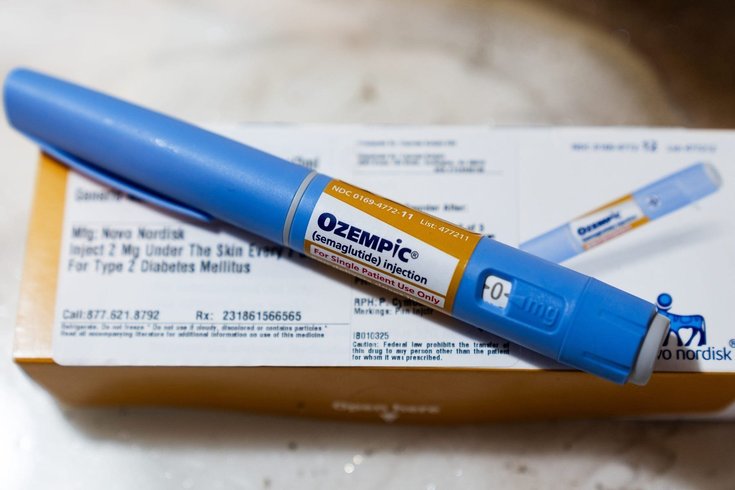
More than 90% of 49 websites visited gave out prescriptions for medications, such as semaglutide, which comes under the brand names Wegovy and Ozempic, and tirzepatide, which comes under the brand name Zepbound, the researchers found. Two-thirds of the sites did so with zero interaction with a clinician, putting consumers at risk of health complications.
MORE: Most costly add-on procedures marketed to improve IVF success show little benefit, study says
Among the sites that required provider interaction, 13 used video calls and three used phone calls. About 8% of the sites did not even have a way to ask a health provider questions.
The study was published Monday in the Journal of the American Medical Association.
"It indicates that the clinicians are not paying attention to the patient," Ashwin Chetty, the Yale medical student who posed as the secret shopper, told the Washington Post. "It's another piece of evidence that paints the picture. Prescriptions first, questions later — if that."
GLP-1 medications initially were designed to treat diabetes and control blood sugar levels, but in recent years their use for weight-loss has exploded. Now roughly 1 in 8 people in the United States are taking GLP-1s to lose weight, according to a tracking poll KFF conducted last year.
But not everyone should be taking these drugs, which can have serious side effects, including bowel obstruction, gallstone attacks and pancreatitis. Less serious side effects may also occur, including nausea, vomiting, diarrhea and constipation, according to Harvard Health.
People who are pregnant should not take GLP-1s. Neither should people with a history of pancreatitis or certain other medical issues – all reasons why it is important to consult with a clinician before starting these drugs, according to Yale Medicine.
But as the new study shows, it is fairly easy to sidestep oversight and procure GLP-1s.
The easiest to get were compounded versions of the medications, which do not have approval from the U.S. Food and Drug Administration and may have quality issues and other problems and risks associated with them.
Still, people are flocking to websites to get unapproved versions of GLP-1s, partly because of the high cost of the medications. GLP-1s carry a price tag of between $900 and $1,400 for people without insurance coverage for them.
The high cost of the brand name drugs and lack of insurance coverage has led to "these sort of gray markets that are cropping up all over the place that are forcing patients to make these trade-offs," Dr. Reshma Ramachandran, a Yale medical school professor and the new study's senior author, told the Washington Post.
The research also revealed that there is "a drive to prescribe, rather than making sure the patient is going to be safe in taking these medications and that the medication is going to be appropriate for them," Ramachandran said.