




October 14, 2026

 Source/Image licensed from Ingram Image
Avoid eating at night for better liver health, a new study suggests.
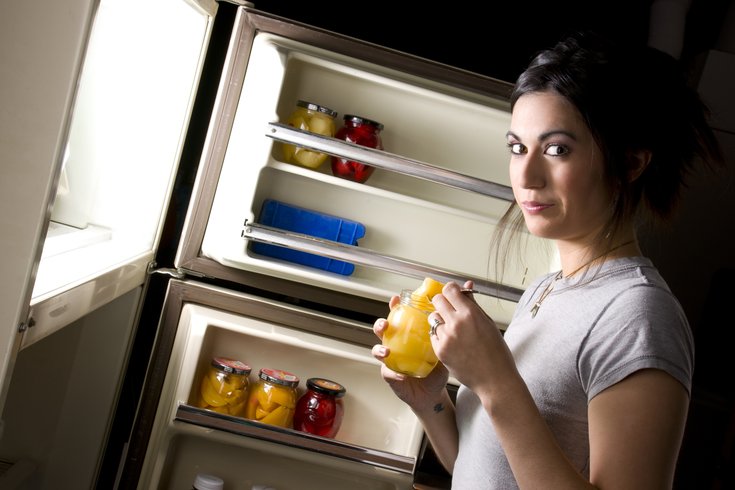
Sneaking down to the kitchen for a few midnight spoonfuls of ice cream? You might want to think twice.
A new study has linked late-night snacking to an increased risk of fatty liver disease.
MORE: Raw milk consumption has become more popular, but a prominent medical group wants sales to be banned
Prior research has found that eating late at night affects how the body burns calories and increases people's risk of obesity. It also can cause acid reflux and disrupt the way the body processes insulin, the Cleveland Clinic says.
The research, published Saturday, analyzed information from 200,000 people who participated in three large previous nursing studies. This data was relevant because healthcare providers often work odd hours that may lead them to eat at night.
The researchers found a 20% to 30% increase in liver disease among people who reported eating at night, after dinner or bedtime, compared to people who did not.
"We know the liver is very much in tune with the body's circadian rhythms," Dr. Robert Wilechansky, a hepatologist who led the study, said in a news release. "So we're interested in changing the timing of eating in a way that could make a difference in health, without changing the composition of what people eat."
Wilechansky, who specializes in liver transplantation at Oregon Health and Science University, noted that a limitation of the study was that it relied on self-reported eating habits.
But the study's "findings add to the growing body of literature linking late-evening eating patterns to adverse metabolic and liver outcomes," the researchers said.
Fatty liver disease occurs when too much fat builds up in the liver. Most often, it impacts people with obesity, type 2 diabetes, high blood pressure or high cholesterol, according to the Mayo Clinic.
Fatty liver disease is often asymptomatic. Signs of the disease may include fatigue, pain or discomfort in the upper right belly area and generally feeling unwell, a condition called malaise.
A severe form of the disease, called metabolic dysfunction-associated steatohepatitis, can cause liver swelling and damage. Itchy skin, abdominal swelling, leg swelling and other symptoms may occur.
People who find it hard to resist eating after dinner or bedtime should choose wisely, VeryWell Health reports.
Snacks rich in protein, such as Greek yogurt, hard-boiled eggs and cottage cheese, are digested slowly and can help maintain stable blood sugar levels through the night.
Apple slices with peanut butter, a mix of fiber and healthy fat, is another wise option.