






August 20, 2026
 William Bretzger/USA Today Network via Reuters Connect
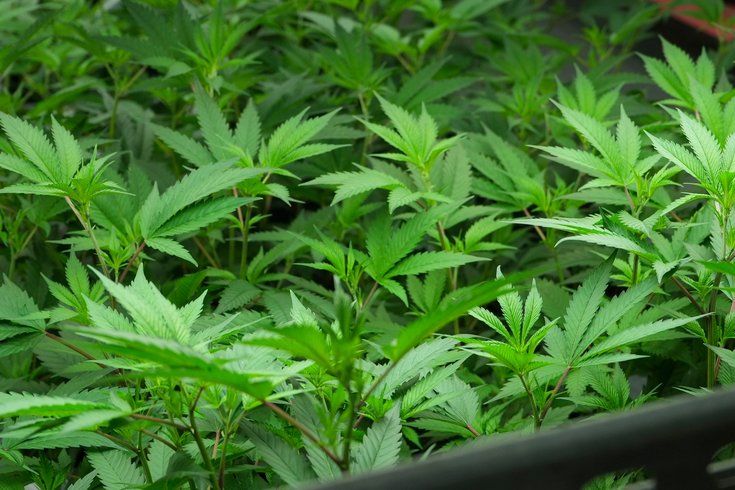
More than 4% of adult men and 2.5% of adult women reported symptoms of cannabis use disorder in 2024, a new study shows. Above, marijuana plants grow in Delaware.
Marijuana has gained an almost mythic reputation through the decades as the drug that's not addictive.
A new study challenges that notion, showing that today's cannabis products – with higher levels of the active ingredient, tetrahydrocannabinol, or THC – are, in fact, habit forming and that cannabis use disorder is on the rise.
MORE: Is it better to use an electric or manual toothbrush? It depends on these factors
While alcohol addiction, now known as alcohol use disorder, has been on the decline, cannabis use disorder has been growing among both men and women, according to research published Wednesday.
"The notion that cannabis is not addictive may basically be incorrect," Dr. Nora Volkow, the director of the National Institute on Drug Abuse and the new study's senior author, told the New York Times. "The higher the content of the drug, the higher the risk for addiction."
Like any substance use disorder, cannabis use disorder is defined as building a tolerance to the drug and having cravings and withdrawal symptoms when trying to stop it. It is also characterized by continued use despite the drug's harm to a person's health, work and relationships.
Although it is still a prevalent problem, the number of U.S. adults with alcohol use disorder dropped from 28.8 million in 2021 to 27.1 million in 2024.
The number of adults with cannabis use disorder, on the other hand, went up from 15.3 million in 2021 to 19.4 million in 2024, "paralleling increasing cannabis potency, expanding legalization, and decreasing perceived harm," the researchers wrote.
For the study, the researchers analyzed data from adults who took part in the 2021 to 2024 National Surveys on Drug Use and Health, which asks people about their drug use over the past 12 months.
The number of people during the study period who reported moderate-to-severe cannabis use disorder — a more extreme form of addiction — rose from 3.1% to 4.1% among men and from 1.7% to 2.5% among women.
"This study highlights an anticipated consequence of rising levels of use and increasing potency of the product," Dr. Daniel Myran, an assistant professor of family medicine at University of Ottawa who studies issues related to cannabis use, told the New York Times. "The product is really changing under enormous pressure from market forces to increase the THC content — that's where there's consumer demand."
The researchers wrote that the "increased prevalence (of cannabis use disorder) underscores the importance of early detection, routine screening, timely access to evidence-based CUD treatment, and targeted strategies to counter increasing acceptance, availability, and potency of cannabis products."
Unlike with opioid use disorder and alcohol use disorder, which have several medications approved by the Food and Drug Administration for treatment, there are none for cannabis use disorder. Available treatment may involve cognitive behavioral therapy, addiction support groups and medications to help with the sleeplessness and anxiety that cannabis withdrawal can induce.