






April 16, 2026

 Don Reid/Imagn Images
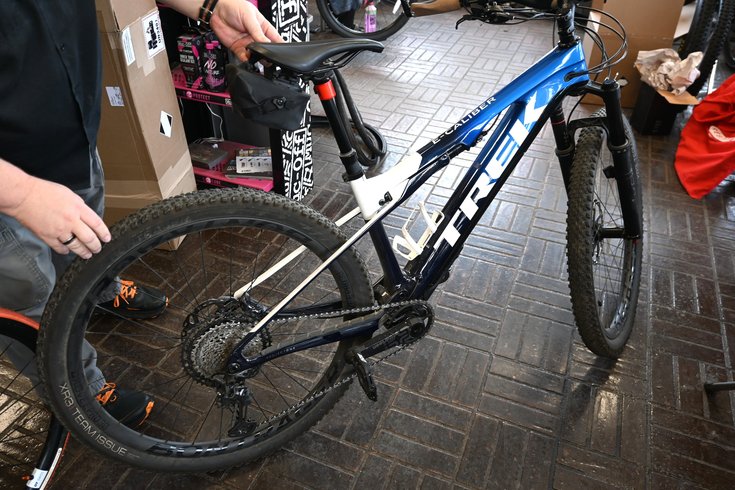
Increased use of electric bikes, like the one above, and electric scooters is leading to more hospital admissions for traumatic brain and spine injuries, new research shows.
Increased use of electric bikes and scooters is causing more brain and spine injuries, a new study suggests.
The research, published Wednesday found that about one-third of patients who visited a New York hospital's emergency department for injuries related to e-bikes or e-scooters had traumatic brain injuries. More than two-thirds of those patients were admitted to the hospital, and about 30% required intensive care.
The study involved more than 900 people over a five-year period. It adds to a growing body of evidence that injuries involving e-bikes and e-scooters are a rising problem in the United States.
Injuries involving micromobility devices – e-bikes, e-scooters and hoverboards – "are producing serious brain and spinal trauma that demands neurosurgical care at a scale we haven't seen before," study author Dr. Hannah Weiss, a resident in the Department of Neurosurgery at NYU Grossman School of Medicine, said in a news release. "In a busy urban setting, we are seeing more and more of these injuries firsthand."
Research presented at the annual meeting of the American Academy of Orthopaedic Surgeons in March shows that e-bike accidents involving children increased by 300% between 2019 and 2023 in San Diego. Last June, the American College of Surgeons issued a warning about the rising toll of e-bike accidents.
The new study analyzed data from patients treated for trauma at NYC Health + Hospitals/Bellevue between 2018 and 2023. The researchers examined all records tied to injuries from e-bike and e-scooter riders and from pedestrians hit.
Trauma cases from these accidents jumped from 10% in 2018 to more than 50% by 2023, with the most common injuries coming from collisions with cars and trucks – about half of the cases. Those accidents had "significantly higher" rates of injuries to the brain and face, the researchers said.
Of the 69 pedestrians hit by e-bikes and e-scooters, 57% suffered traumatic brain injuries, compared to 31% of the riders. Injuries happened more frequently in the evening, probably due to people using e-bikes and e-scooters to make food deliveries, the researchers said.
They also found that 20% of the injured riders had been drinking. Just 31% were wearing helmets.
"Our findings make clear that urban infrastructure must continue to improve to keep pace with the rapid rise of electric bikes and scooters," said Dr. Paul P. Huang, chief of neurosurgery at NYC Health + Hospitals/Bellevue. "Future studies should track these injuries across multiple cities and measure whether protected bike lanes, helmet programs, and speed enforcement actually reduce the number of brain and spine surgeries we perform."