






August 06, 2026

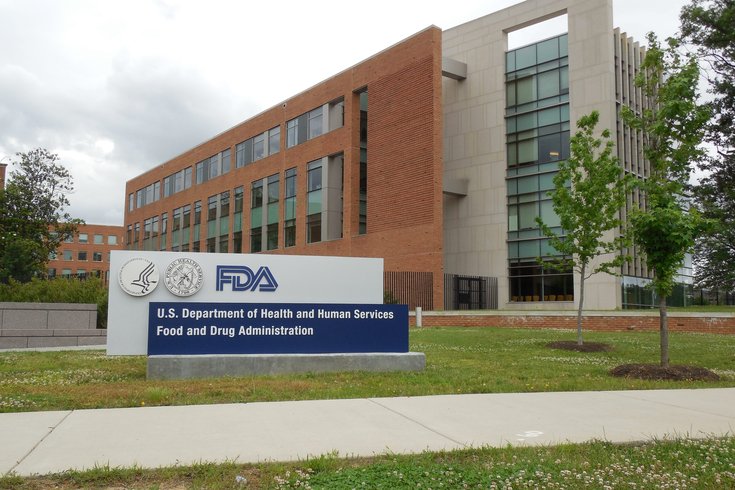 Alison Young/USA Today via Reuters Connect
Older adults soon will have access to a new type of flu shot. The FDA has approved the first mRNA-based influenza vaccine, which relies on the same technology used in many COVID-19 shots.
The Food and Drug Administration has approved a new influenza vaccine for older adults manufactured by Moderna.
The shot relies on the messenger RNA technology that was used in the COVID-19 vaccines produced by Moderna and Pfizer during the pandemic. A pair of University of Pennsylvania scientists received the Nobel Prize for their work in advancing the technology.
MORE: Philly's poor air quality linked to higher asthma rates near industrial land, major roads
Moderna's new flu shot, called mFLUSIVA, will be available at select retailers in the coming weeks, the company said, but it did not specify which ones.
The vaccine is authorized for adults 50 to 64, but the FDA also granted an accelerated approval for adults 65 and over. This means adults 50 and older are eligible to receive the shot. The FDA's authorization will be converted to a full approval so long as a mandated follow-up study produces acceptable results.
Scientists have suggested mRNA technology will lead to more effective flu shots, because it allows vaccine makers to more quickly respond to changes in flu strains.
Flu shots traditionally have been made through a monthslong process that requires viral components to be grown in cells or chicken eggs, and then deactivated and purified. When injected, the vaccine trains the immune system to recognize the influenza virus and fight back. The Moderna vaccine uses messenger RNA — a synthesized genetic code that carries instructions on how to make flu virus proteins. These proteins cause white blood cells to produce antibodies that attack the virus, generating an immune response.
"Flu remains a significant public health challenge, and mFLUSIVA provides an important new option for America's seniors," Moderna CEO Stéphane Bancel said in a statement. "This approval also reflects the ongoing potential of our mRNA platform to help address important public health challenges through continued scientific innovation."
According to the World Health Organization, 290,000 to 650,000 people die of flu-related causes each year worldwide. Tens of thousands of flu deaths are reported in the United States in most years, and they primarily occur among older adults and people with weakened immune systems.
Moderna said the side effects of its vaccine include tenderness and swelling at the injection site, swollen lymph nodes, fatigue, headache, fever, chills, nausea and muscle pain.
Moderna faced a turbulent path in gaining FDA approval for its flu vaccine. In February, the FDA denied Moderna's request to review its flu vaccine despite Moderna having conducted a large clinical trial that yielded positive results. After public backlash, the FDA then agreed to review the vaccine.
Robert F. Kennedy Jr., secretary of the U.S. Department of Health and Human Services, which oversees the FDA, is a longtime vaccine skeptic who has been critical of mRNA technology and has sought to overhaul the United States' vaccine policy. In August 2025, HHS canceled 22 mRNA vaccine projects that had received $500 million in HHS funding.