





November 10, 2026

 Zach Boyden-Holmes/USA TODAY Network via Reuters Connect
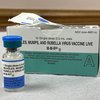
Early research suggests that injecting flu vaccines directly into melanoma tumors may thwart the development of cancer cells. Pre-filled flu shots are pictured above.
Flu shots may be the next frontier in fighting skin cancer, a new study suggests.
The research out of Ohio State University Wexner Medical Center only involved 18 people, but its results were "striking," one of the researchers said at a presentation of the findings, the Washington Post reported. Injecting flu shots into melanoma tumors seemed to disrupt the replication of cancer cells, though the researchers do not know why. They said it warrants further study.
MORE: More babies may outgrow peanut allergy than previously thought, study finds
The volunteers in the study all had melanoma tumors that could be surgically removed. The researchers gave each person a flu shot in the arm and then followed up with two subsequent shots of the same vaccine, spaced apart, directly into the tumors.
When the tumors were removed two weeks later and examined, they revealed a high concentration of immune cells. Bloodwork also showed that the patients' immune systems had jumpstarted. The tumors of seven of the patients had shrunken, and three of the tumors had no cancer cells left.
One of the researchers told the Washington Post that the study's findings were "early-stage" and also limited by the fact that the potential for this type of treatment requires easy access to tumors.
But flu shots are already available and cost effective. The team is now looking at whether injecting flu vaccines into tumors along with using immune suppressing drugs, such as Keytruda and Opdivo, may help people whose melanoma has already spread beyond local tumors to other parts of the body, the Post reported.
Other researchers are assessing the efficacy of the use of flu shots in other types of skin cancer, such as squamous cell carcinoma. This type of skin cancer usually involves only surgical removal of cancerous cells, with the danger of them returning.
The new research is in its early stages and has not been peer reviewed.