






September 03, 2026

 Towfiqu barbhuiya/Unsplash
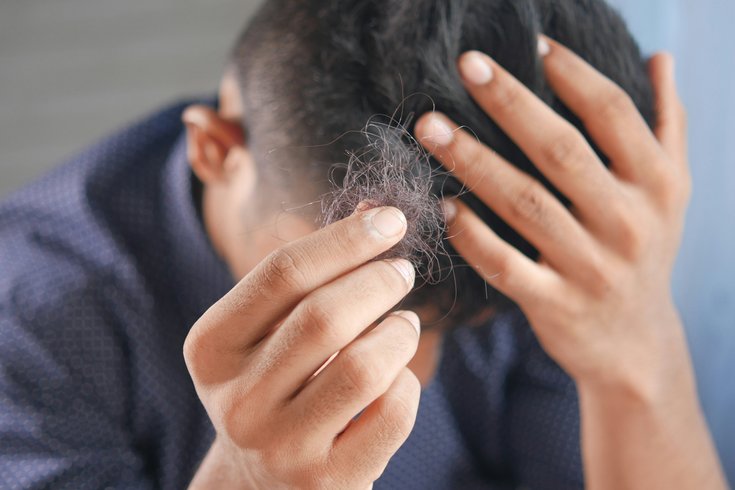
A new Penn study finds that type 2 diabetes patients treated with GLP-1 medications have a greater likelihood of hair loss than patients who are treated with other medications.
People treated for type 2 diabetes with GLP-1 medications have a greater likelihood of losing hair as a side effect than people treated with other diabetes drugs, a new study from the University of Pennsylvania finds.
GLP-1s have been used to treat diabetes for more than two decades and more recently for obesity and weight management. These blockbuster weight-loss drugs are sold under the brand names Wegovy, Ozempic and Zepbound.
Side effects can range from nausea, vomiting and headaches to rare cases of pancreatitis, kidney problems and other serious medical conditions. Another side effect of GLP-1s that is not officially listed by the Food and Drug Administration is hair loss, according to the Cleveland Clinic.
"Hair loss has been reported anecdotally, but clinical trials to this point were not designed to evaluate this outcome," Yong Chen, the new study's senior author and a Penn biostatistics professor, said in a news release. "Given the widening use of these medications, we felt it was important to systematically examine this potential side effect in real-world patients."
The research, published in the medical journal BMJ, found that people taking GLP-1s for type 2 diabetes were 37% more likely to report hair loss than people taking SGLT2 inhibitors, such as Jardiance, and 68% more likely to have hair loss than people taking DPP4 inhibitors, such as Januvia. SGLT2 inhibitors help the body remove extra sugar through the urine. DPP4 inhibitors help the pancreas release insulin by blocking a particular enzyme.
"Weight loss is a known cause of hair shedding so GLP-1 therapy likely causes hair loss because patients on the drugs lose weight," Dr. George Cotsarelis, chair of Penn's dermatology department and the study's co-author, said in the release. "However, there is a chance that the drug causes hair loss through a different mechanism, and that needs to be explored."
The study involved health record data from 50,000 adults with type 2 diabetes in the University of Pennsylvania Health System between 2019 and 2024.
The researchers said they hoped their work would help identify factors that put GLP-1 users most at risk of hair loss.