






July 27, 2026

 Amy Bennett Williams/USA TODAY Network via Reuters Connect
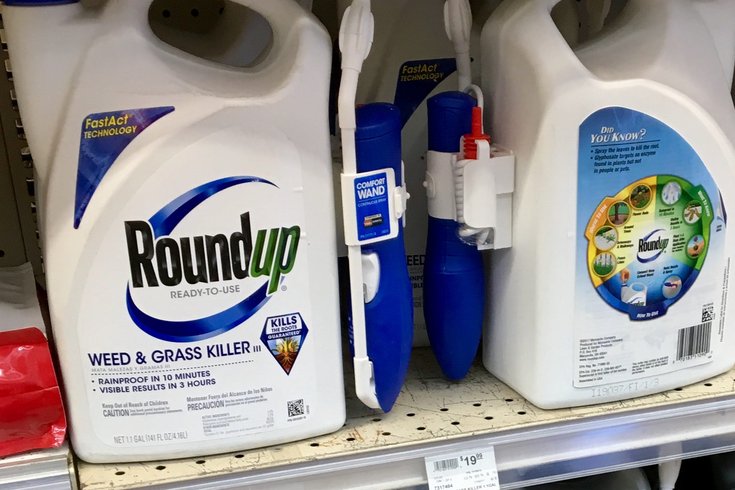
The active ingredient in Roundup, a weedkiller used in farming and gardening, may increase the risk of premature labor, a new study finds. The product's manufacturer says Roundup has been 'used safely for 50 years.'
Exposure to Roundup, a common weedkiller, during pregnancy may increase the risk of preterm birth, a new study says.
Researchers at NYU Langone Health tested urine samples from nearly 1,500 pregnant women for the chemical glyphosate, the active ingredient in professional-grade Roundup products used on some commercial crops and on residential landscaping. Women with higher glyphosate levels were at increased risk of going into labor before 37 weeks than women with lower levels, the study found.
MORE: Persistent financial stress may cause the brain to age faster, study finds
The women were tested midway through their pregnancies. Higher glyphosate levels measured in the first term of pregnancy were not associated with increased risk of preterm labor, the researchers said.
"Our findings add to a growing body of evidence that exposure to glyphosate early in life may lead to health concerns that can echo throughout a lifetime," Teresa Herrera, a doctoral candidate at NYU Grossman School of Medicine, said in a statement.
Prior studies have linked farmers who heavily use Roundup to increased risk of non-Hodgkin lymphoma and other medical issues, researchers said. But trace exposure through foods is less studied, but a Centers for Disease Control and Prevention study suggests more than 80% of Americans have detectable levels of glyphosate in their urine.
Ruveon, a subsidiary of Bayer, which manufactures Roundup, noted that the latest study did not identify a causal relationship between glyphosate exposure and adverse pregnancy outcomes, including preterm birth.
"While associations were reported for preterm birth, the publication does not provide information sufficient to evaluate whether the observed findings represent a causal adverse health effect," Ruveon said in an emailed statement. "Also, because urinary glyphosate and AMPA levels can fluctuate over time, reliance on limited sampling could have led to participant exposure misclassification. … No regulatory authority in the world has determined that glyphosate causes reproductive or developmental harm."
A full-term pregnancy is considered about 40 weeks. Babies delivered before 37 weeks are classified as premature. About 1 in 10 infants are delivered prematurely, the Cleveland Clinic says.
Babies born before 37 weeks are at higher risk of spending time in neonatal intensive care units and for having developmental delays later in life. Premature babies also have a harder time feeding and keeping warm, the Cleveland Clinic says.
Herrera said families concerned about herbicides may opt to eat organic grains and produce, but noted that individual choices are unlikely to eliminate exposure because the herbicide is so widely used.
"These results underscore the need for stronger regulations to protect the health of pregnant women and infants, two groups long known to be especially vulnerable to chemicals in the environment," Dr. Leonardo Trasande, a pediatrics professor at NYU Grossman School of Medicine, said in a statement. "Organic farming methods can produce competitive yields, so the trade-off between weed control and long-term health risks is not as straightforward as is often portrayed."
Bayer is facing lawsuits claiming that Roundup, which has been used heavily in farming since the 1990s, causes cancer. A Missouri court review of a proposed $7.25 billion settlement of lawsuits is scheduled for Aug. 19.
In June, the U.S. Supreme Court ruled that Bayer is not responsible for putting cancer warning labels on Roundup products. The Environmental Protection Agency has not identified the herbicide as being carcinogenic, according to Wisconsin Public Radio.
"Glyphosate has been used safely for 50 years and is among the most extensively studied products of its kind," Ruveon's statement said. "Experts at the U.S. Environmental Protection Agency (EPA) have reviewed hundreds of studies on glyphosate safety as part of the product registration process and determined that glyphosate is safe for use and does not cause reproductive or developmental harm."