




August 18, 2026
Running isn't the only way to get a good workout. In fact, some of the best forms of exercise put very little stress on your joints.
Low-impact exercise offers many of the same health benefits as higher-impact workouts while being gentler on your knees, hips, and ankles. That makes it a good choice for people who are new to exercise, recovering from an injury, managing joint pain, or simply looking for a routine they can stick with over the long term.
The biggest difference is how much force your body absorbs with each movement.
When you run or jump, both feet leave the ground before you land again. Every landing sends force through your lower body. Over time, that repeated impact can be tough on your joints.
With low-impact exercise, at least one foot usually stays on the ground, or your body is supported by equipment or water. High-impact exercise helps strengthen bones because it's weight-bearing exercise, but low-impact activities may be a better fit for older adults, people with arthritis, and those recovering from injury.
The biggest benefit is simple: it allows many people to exercise comfortably enough to keep doing it. Low-impact exercise is generally easier on the joints.
Like other forms of exercise, it can help improve cardiovascular health, support a healthy weight, improve strength and endurance, and help ease symptoms of anxiety and depression.
Walkingremains one of the easiest ways to stay active. Whether you head outside or hop on a treadmill, you can easily adjust your pace and incline to match your fitness level.
Cycling provides a heart-healthy workout while putting less stress on your knees and hips than running. You can ride outdoors or use a stationary bike, which makes it easy to control the intensity of your workout.
Rowingworks your upper and lower body at the same time, making it an efficient full-body workout. Because the movement is smooth and controlled, it's a low-impact way to build strength and endurance.
Elliptical machinessimulate the motion of walking or running without the repeated pounding on your joints. Many also include moving handlebars, allowing you to engage your arms along with your legs.
Swimming and water aerobicsare among the gentlest forms of exercise because the water supports much of your body weight. At the same time, the natural resistance of the water helps strengthen muscles while improving cardiovascular fitness.
Yogacombines stretching, balance, and controlled movement to improve flexibility, strengthen your core, and increase your range of motion. Many people also find it helps reduce stress and improve focus.
Tai chipairs slow, flowing movements with controlled breathing. It can improve balance, coordination, and muscle control, making it especially popular among older adults.
Pilatesemphasizes posture, core strength, and proper alignment through slow, controlled movements. It can help build stability while being gentle on your joints.
Barrecombines elements of ballet, yoga, and Pilates to strengthen muscles through small, controlled movements. It also helps improve balance, posture, and flexibility.
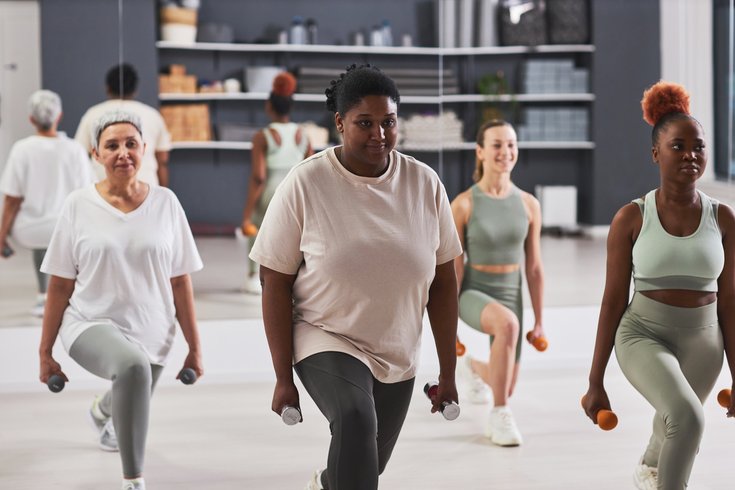
Strength trainingwith free weights, machines, or resistance bands can also below impact. Building muscle supports bone health, improves balance, and makes everyday activities easier.
The best workout is the one you'll actually keep doing. Whether you prefer walking, swimming, cycling, yoga, or strength training, moving your body regularly is what matters most. Low-impact exercise can help many people stay active while putting less stress on their joints.