





October 02, 2026

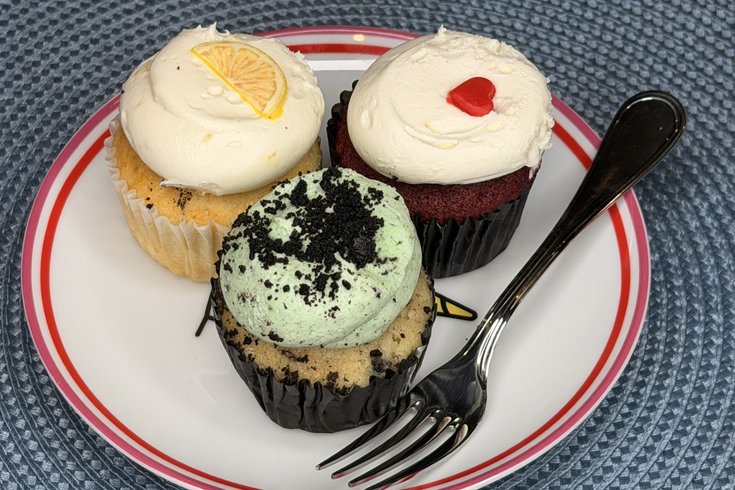 Lexie Norcross/PhillyVoice
Most people recognize that there is added sugar in sweets like cupcakes, doughnuts and ice cream. But added sugar also is commonly found in many foods that people don't suspect contain it.
As a pain physician, I have learned that pain rarely lives in a silo. Sleep, movement, weight, metabolic health, nutrition and the habits we repeat every day all influence how people feel and function. That is why I care about sugar. Not because one dessert causes chronic pain, and not because sugar is a villain, but because repeated patterns can affect the systems that shape appetite, energy, body weight and overall health.
In this column, I want to take what I have learned from medicine, pain management and my own pursuit of wellness and turn it into practical strategies people can actually use.
So, I have a confession to make. Put a great dessert in front of me and I can enjoy it with the best of them. But I also know what can happen the next morning.
You wake up. You walk into the kitchen. Before the coffee is brewed, before breakfast is made and sometimes before you have completely awakened, your brain remembers what is sitting on the counter. Cake. Cookies. The leftover dessert from last night's dinner.
And suddenly, it is difficult to think about anything else.
That experience is one reason I have developed a simple rule in my own life: I treat added sugar almost like a drug. Not because table sugar is literally a narcotic. It isn't. And eating a piece of birthday cake is obviously not equivalent to taking an addictive drug.
I use the analogy because sugar has three characteristics that deserve our attention: It is highly rewarding, remarkably easy to consume and hiding almost everywhere.
And once the cycle starts, some people are surprised by how difficult it can be to stop.
(The following patient stories are composites based on common patterns I see and are not descriptions of identifiable patients.)
Imagine a patient I'll call Sarah.
Sarah comes into the office telling me she has been doing great. For weeks, she has dramatically cut back on sweets. She is eating better, her energy feels steadier and she isn't thinking about dessert every night.
Then comes her daughter's birthday. There is cake in the house. She has a piece at the party and enjoys it. Nothing wrong with that.
But it has been a stressful week. Later that night, she walks into the kitchen, sees what is left of the cake and takes another piece.
The next morning, before the coffee has even finished brewing, Sarah is standing at the kitchen counter with a fork in the leftover cake. She is not carefully deciding whether she wants dessert for breakfast. She is simply doing it — reaching for the quickest reward her brain remembers from the night before.
By that afternoon, she wants something sweet again. A few days later she is stopping for a sweetened coffee. Then dessert returns after dinner.
When I see her several weeks later, she tells me something I hear surprisingly often: "I wasn't even thinking about sugar before. Now I'm thinking about it all the time."
That is the part that interests me. Not the birthday cake. The cascade afterward.
One highly rewarding food can restart a pattern of craving, eating and craving again that feels much harder to control than we expect.
Most of us know there is sugar in a doughnut. We know there is sugar in soda, ice cream and candy. That's not where people get fooled.
The bigger surprise is often the sugar we don't recognize.
Consider another patient I'll call Mark. Mark proudly tells me, "Doc, I barely eat sweets." And technically, he's right. He doesn't eat candy. He rarely orders dessert. He doesn't drink regular soda.
Then we walk through breakfast. Flavored yogurt. Granola. Coffee with a flavored creamer. Maybe a protein bar mid-morning. Lunch includes sandwich bread and a bottled dressing. By mid-afternoon, Mark is tired, hungry and looking for something to pick him up.
He thinks his problem is willpower.
But when we actually look at his day, he has been repeatedly exposed to added sugars and rapidly absorbed carbohydrates without realizing it. He wasn't eating dessert all day. His food was doing it for him.
Bread can contain added sugar. So can flavored yogurt, granola, sauces, salad dressings, protein bars, breakfast cereals, coffee drinks and sports drinks.
Sugar also changes names. Corn syrup. Cane sugar. Dextrose. Maltose. Honey. Syrups. Fruit-juice concentrates.
That's how someone who sincerely believes "I really don't eat much sugar" can take in quite a bit before dinner.
When we consume rapidly absorbed carbohydrates, glucose enters the bloodstream. The pancreas responds by releasing insulin. Think of insulin as part of the body's traffic-control system for glucose. It helps move glucose from the bloodstream into cells where it can be used or stored.
That system is essential to life. The problem isn't insulin. The problem can become the repeated metabolic roller coaster created by a diet dominated by rapidly absorbed carbohydrates and added sugars.
Blood glucose rises. Insulin responds. Glucose subsequently falls. And for some people, that fall is accompanied by something very familiar: hunger.
In a large, real-world study involving more than 1,000 people wearing continuous glucose monitors, deeper glucose dips several hours after eating were associated with greater hunger, eating sooner and consuming more calories later.
Most people simply call that the sugar crash. You eat something sweet. You feel great. Then the energy disappears. You feel sluggish. You reach for coffee. And suddenly you're thinking about food again. Another carbohydrate sounds good. The roller coaster starts climbing again.
Food isn't simply fuel. Eating is also a neurological experience. Highly palatable foods — particularly combinations of refined carbohydrates, fat, salt and flavoring — engage the brain's reward pathways.
Researchers continue to debate whether the term "food addiction" should be used in the same way we use addiction to describe drugs or alcohol. That scientific distinction matters.
But you don't need to settle that debate to recognize the behavior. Anyone who has stood in the kitchen at 10 p.m. saying "I'll have one cookie," only to look down a few minutes later and wonder what happened to the sleeve, understands that something powerful is going on.
And Sarah's experience is equally familiar. She didn't suddenly become weak. She restarted a reward cycle: craving, eat, reward, crave again.
The craving and energy swings get our attention. The long-term consequences concern me more as a physician.
Excessive added-sugar intake is associated with weight gain and obesity, type 2 diabetes and cardiovascular disease. Sugar-sweetened beverages also have been associated with fatty liver disease, dental disease and gout.
And this isn't based on one sensational study. A major BMJ umbrella review examined 73 meta-analyses covering 83 health outcomes and found that high dietary sugar consumption was generally associated with more harm than benefit, particularly for cardiometabolic health, while noting that the strength of evidence varies among individual outcomes.
We shouldn't demonize a strawberry. But we should probably stop pretending that routinely flooding the modern diet with added sugar is harmless.
For food labeling, the Food and Drug Administration's daily value for added sugar is 50 grams on a 2,000-calorie diet. The American Heart Association recommends considerably less: about 36 grams per day for men and 25 grams for women.
Twenty-five grams is roughly six teaspoons. A single, 12-ounce regular soda can contain around 10 teaspoons of added sugar. One drink. Before you've eaten anything.
That makes the phrase "just a soda" sound a little different.
This is where wellness advice often becomes miserable. Never eat dessert again. Never touch bread. Never celebrate with birthday cake. Never have ice cream with your children.
That's not wellness. That's punishment.
I don't believe longevity is built through misery. My approach is much more practical: control the things that repeatedly control you.
Eat the birthday cake. Enjoy Christmas dinner. Have dessert at an incredible restaurant. But make those foods what they were always meant to be: treats, not staples.
The goal isn't zero sugar. The goal is breaking the automatic relationship with it.
Don't diet. Don't count every calorie. Don't weigh yourself three times a day.
For one week, simply become a detective. Before you eat something packaged, turn it over. Find "Added Sugars." Look at the number. Then ask yourself: is this food worth spending part of my daily sugar budget on?
Maybe the homemade cheesecake absolutely is. But perhaps the ketchup, flavored coffee, granola bar, yogurt and sandwich bread aren't.
That one habit can dramatically change the way you see food.
And there is another strategy I use personally: Don't make willpower fight a battle your environment can win for you. If there is a food in your house that you know you cannot stop eating, don't keep testing yourself against it every night at 10:30. Change the environment.
A craving feels urgent. But it isn't an emergency. You can experience it without obeying it.
Drink some water. Eat protein and fiber. Take a walk. Wait 15 minutes. Do something that occupies your brain. Then notice what happens. The intensity often passes.
Every time you interrupt the automatic sequence — craving, reach, eat, repeat — you are practicing control. And over time, small acts of control become habits. Habits become lifestyle. Lifestyle becomes health.
We spend enormous amounts of money searching for the next medication, supplement, wearable device or longevity breakthrough. Some of those innovations are remarkable. But sometimes one of the most powerful things we can do for our health is much less glamorous: turn the package around, read the label, then decide whether the sugar hiding inside deserves a place in your day.
Your health isn't determined by the piece of cake you enjoy on your birthday. It is determined much more by what you repeatedly do during the other 364 days of the year.
And that is extraordinarily good news. Because those days belong to you.
Dr. Michael J. Sabia is a professor of anesthesiology, division head of pain management and medical director of the Integrated Pain Program at Cooper Norcross Health. A board-certified anesthesiologist and pain medicine physician, he specializes in interventional pain management, chronic pain, minimally invasive pain procedures and multidisciplinary approaches designed to improve function and quality of life. His work and writing also explore the connections among nutrition, exercise, sleep, metabolic health, inflammation, wellness and longevity.
Sabia is the author of "The Wellness Formula: Unlocking a Doctor's Secrets to Longevity and Optimal Health," as well as the medical texts "Interventional Pain Management Procedures" and "Urogenital Pain." Through this column, he aims to make complex health science useful, practical and understandable — giving readers tools they can apply in everyday life to feel better, live healthier and take a more active role in their health.