



October 01, 2026
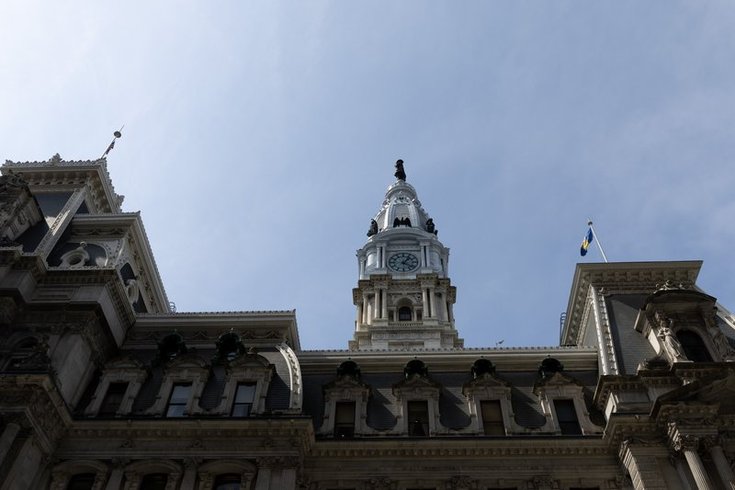 Colleen Claggett/For PhillyVoice
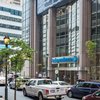
City Council approved a resolution Thursday to rename a section of University City as Black Bottom. The neighborhood was largely demolished in the 1960s for an urban renewal project. Above, a photo of City Hall.
Philadelphia City Council approved legislation officially identifying a portion of West Philly as Black Bottom — a neighborhood that was once demolished to build up the area around Penn and Drexel.
The resolution, which passed unanimously during Thursday's meeting, defines the borders as the area between 32nd and 40th streets going east to west, and between Lancaster and University avenues going north to south. That includes much of Penn's campus and had been known as part of University City.
Black Bottom was a predominantly Black neighborhood that was established during the Great Migration, when Black people from Virginia, South Carolina, Georgia and Maryland moved to the city from 1910 to 1930, according to Heritage West, a community archeology project from the University of Pennsylvania and the Penn Museum.
During that time, the neighborhood hosted a number of Black-owned businesses, and many residents owned their own homes, according to the project. But the passage of the Housing Act of 1949 allowed the local government to purchase areas that were considered a blight to clean them up. In the 1960s, the city and the Redevelopment Authority used these urban renewal funds to acquire homes in the neighborhood and knock them down.
That demolition was done at the behest of the West Philadelphia Corporation, which was made up of higher education and medical institutions. As a result, many Black residents were displaced, and the area was renamed University City.
Jerry Davis, a resident of the neighborhood, said more needs to be done to heal the historic community, but he appreciates the acknowledgment of the resolution.
"The thing that I would say to you about the Black Bottom, is that people encouraged you, people supported you. It really gave definition to 'this is important to me' and it made me feel that I was somebody ..." Davis said during Thursday's public comment session. "Through this urban renewal project, thousands of people lost their homes for little or no compensation, the vast majority of these people were Black."
Renaming the neighborhood doesn't do anything legally for the community, according to Councilmember Jamie Gauthier (D-3rd), who introduced the legislation, but she does hope it's a start for future reparations, including compensation for descendants. She noted that one of the streets will be renamed after Walter Palmer, a longtime community activist, and said a marker commemorating the history is on the way.
"It's not enough, and I'm working toward what could be considered enough, what could be considered justice," Gauthier said. "But at least, I want them to have to name the neighborhood that they tried to disappear. At least I want the city to have to formally recognize the harm that it did, that's step one."