



August 03, 2026

Content sponsored by
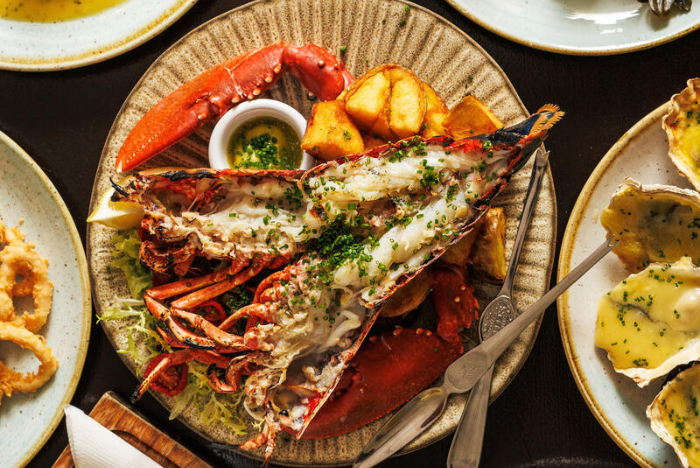 Provide'/Tourism Ireland
Linnane's Lobster Bar, The Burren, Co Clare
Across generations, farmers, fishers, bakers and artisan producers have worked in rhythm with the land and sea, creating a food culture where authenticity is not a trend but a way of life. Recipes have been handed down through families, evolving alongside changing seasons and local resources. Bread reflects centuries of ingenuity, cheeses express the unique character of the pastures where animals graze, and seafood carries the unmistakable imprint of Ireland’s bays and coastlines.
Together, they tell the story of an island whose culinary heritage is inseparable from its history, culture and natural environment. For today’s visitor, Ireland offers far more than exceptional food. It offers the opportunity to meet the people behind it, learn age-old traditions and experience the landscapes that give every ingredient its distinctive character. From baking bread in a farmhouse kitchen to visiting oyster farms or tasting whiskey where it is distilled, Irish cuisine invites travelers to become part of the story.
Today, Ireland is home to 24 Michelin-starred restaurants, where local ingredients take center stage in tasting menus that reflect both tradition and creativity.
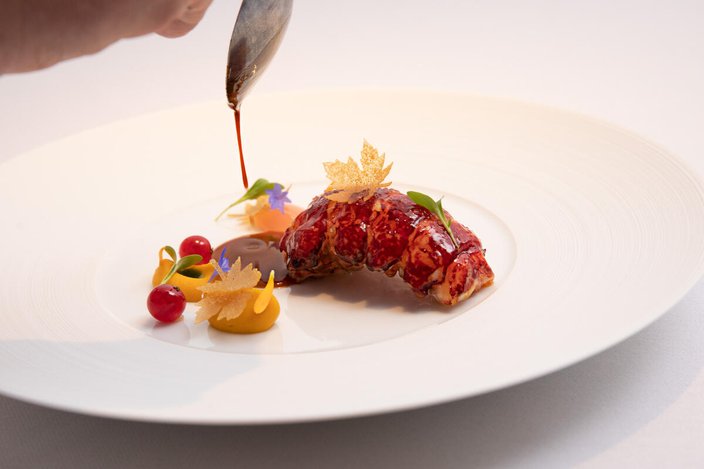
Chapter One Restaurant, Parnell Square North, Dublin City, Co Dublin
Dede in County Cork blends Turkish and Irish influences using coastal ingredients, while Aniar in County Galway focuses on Irish terroir through fermentation, foraging and ingredients from the west coast. In Belfast, OX serves seasonal tasting menus with Nordic influences, and The Pullman in County Galway offers refined dining inside restored Orient Express carriages.
These restaurants offer just a sampling of Ireland's Michelin-starred dining scene, where chefs continue to showcase the island's ingredients through distinctive regional styles and culinary traditions.
Visitors also can experience Ireland's food culture beyond its Michelin-starred restaurants.
Few foods are as deeply woven into Irish culture as bread. Its history reflects centuries of resilience and adaptation. Early breads were simple oatcakes cooked over an open hearth, perfectly suited to Ireland’s cool, damp climate where oats flourished long before wheat became commonplace.
By the nineteenth century, soda bread had become Ire land’s defining loaf. Made using bicarbonate of soda rather than yeast, it could be baked daily in cast-iron pots over an open fire, with every household developing its own recipe using oats, seeds, dried fruit or whatever ingredients were available. To day, brown soda bread remains a cornerstone of Irish cooking, alongside festive barmbrack and a thriving craft baking scene that combines traditional techniques with contemporary creativity.
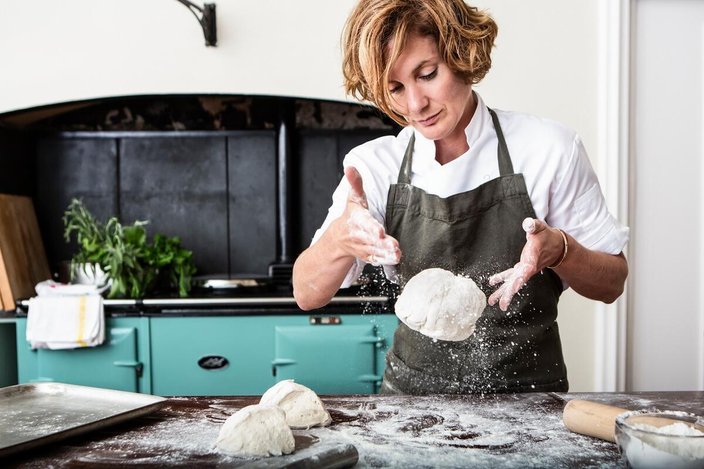
Bread making at Howth Castle Cookery School, Howth Co
Visitors can experience this tradition firsthand at Tracey’s Farmhouse Kitchen outside Belfast, where hands-on baking classes bring classic Irish griddle breads to life. More than a cooking lesson, it offers a warm introduction to Irish hospitality and a skill that participants can take home with them.
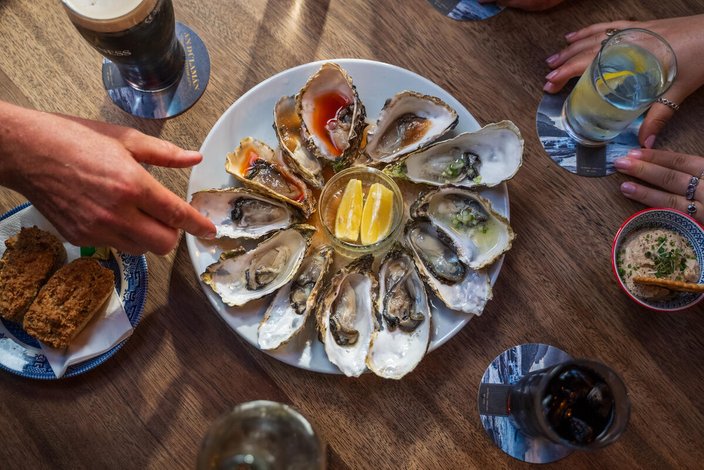
Ireland's oyster culture is defined by three iconic regions and a long tradition of sustainable coastal harvesting. Galway oysters are known for the nutrient-rich waters of Galway Bay, while Carlingford oysters are recognized for their clean brine, subtle sweetness and mineral finish. Along the Wild Atlantic Way, west coast oysters develop their character in turbulent, nutrient-dense waters.
Nancy's Bar, Ardara, Co Donegal
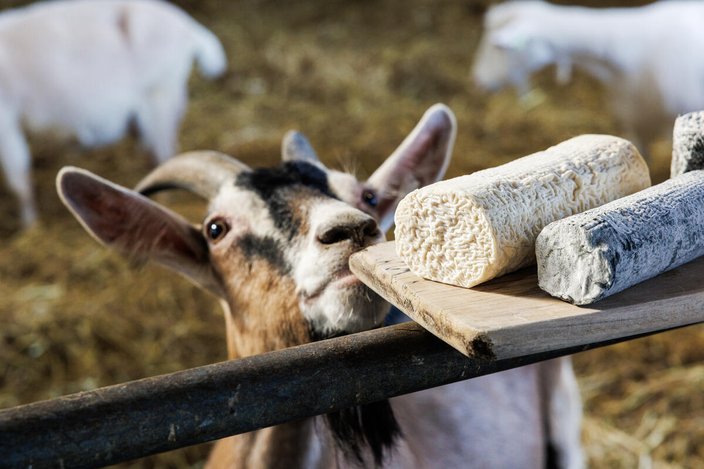
Ireland’s artisan cheese movement is a celebration of landscape and craftsmanship. Across the island, small-scale cheesemakers create distinctive cheeses that reflect the pastures, wild herbs and diverse flora their animals graze throughout the seasons. Producers such as St Tola, Killeen and Boyne Valley Bán have helped establish Ireland as one of Europe’s most exciting destinations for farmhouse cheese. At St Tola’s farm in County Clare, visitors can meet the herd, observe daily farm life, learn about the cheesemaking process and enjoy tastings that reveal how the surrounding landscape shapes every cheese.
St. Tola Goat Cheese Farm, Ennistymon, Co Clare
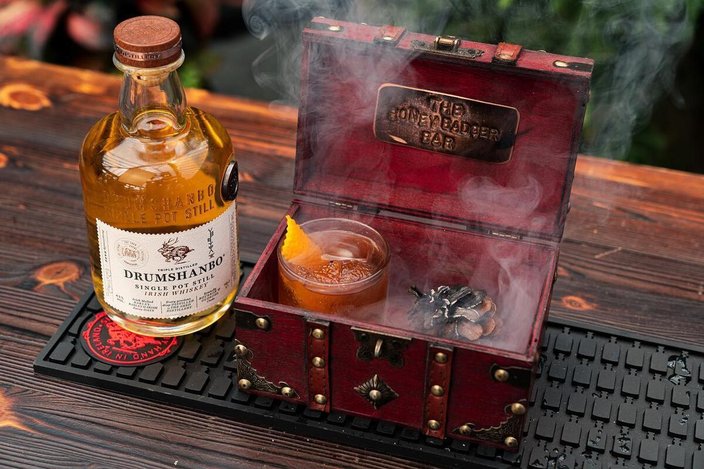
Irish whiskey and gin tell another chapter in Ireland’s culinary story. Distilling has evolved over centuries, combining traditional methods with modern innovation to produce an extraordinary range of single malts, pot still whiskeys, grain whiskeys and contemporary craft gins. Along County Leitrim’s tranquil Blueway, visitors can tour The Shed Distillery in Drumshanbo, discovering how local botanicals, pure Irish water and time-honored craftsmanship come together to create award-winning whiskeys, gin and vodka. Tastings offer an opportunity to explore how these spirits naturally complement Ireland’s seafood, cheeses, breads and desserts.
The Shed Distillery, Whiskey, Drumshanbo, Co Leitrim
Whether enjoying a tasting menu in Dublin, baking traditional bread in County Down, touring a goat farm in County Clare or exploring an award winning distillery on one of Ireland's beautiful blueways in County Leitrim, visitors can experience Ireland's food culture through the ingredients, producers and traditions that have shaped it for generations. Getting to Ireland from Pennsylvania is easier than ever, with nonstop flights from both Philadelphia and Pittsburgh making those experiences more accessible than ever.
From Michelin-starred restaurants to working farms, Ireland's food culture is shaped by producers who honor tradition while embracing innovation, offering travelers an authentic way to experience the island. Begin planning your dream Ireland itinerary at Ireland.com.