





October 27, 2026

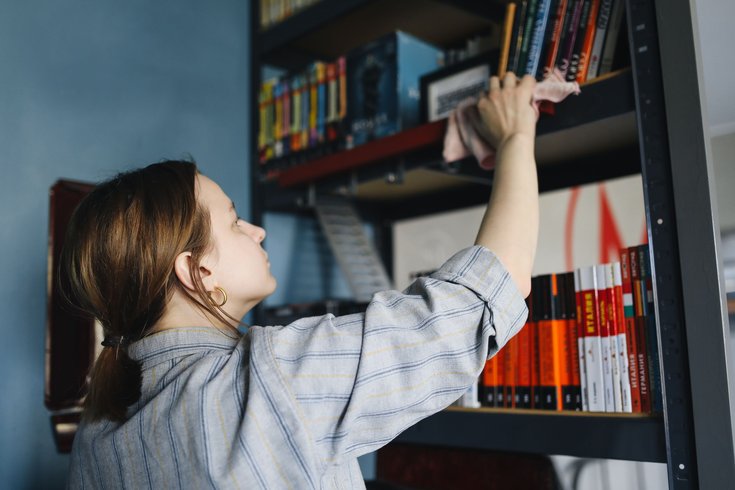 Polina Tankilevitch/Pexels
Flat insects that feed on damp and moldy paper, called booklice, can be prevented by proper cleaning and humidity control.
Most people with children have heard of – and, as school begins, live in mild fear of – head lice. But people may not realize that their books also can be infested with lice.
Unlike head lice, booklice do not bite. They do not carry diseases or spread infections. And having a booklice infestation is not necessarily a condemnation of someone's cleaning abilities, because the pests are common household bugs that just really like damp environments.
MORE: Why microplastics are so harmful to people? Scientists may have figured out the answer
But booklice can be pesky all the same.
Booklice, also called called psocids (pronounced: SO-sids), are small, one-to-two-millimeter-long insects that make their meals out of mold and starch, Craig Sansig, a public health entomologist at Viking Pest Control, recently told House Beautiful.
"They are not related to lice and do not feed upon people or animals as lice do," Sansig said. "They vaguely resemble lice and commonly feed on books, hence their name."
Wingless and flat, they can range in color from tan to gray to brown. Because of their flattened appearance, booklice are sometimes mistaken for bed bugs. But bed bugs are much larger and rounder than booklice – and more problematic, according to Penn State Extension.
Booklice feed on lichen, fungi, leaves and other soggy, organic materials outside. In humid, indoor spaces, they feed on starchy materials, such as wallpaper, cardboard, paper, books, bookbindings — and even flour and stored grains.
Booklice thrive in muggy environments, in particular when the indoor humidity level gets above 60%. An effective way to prevent booklice is to use dehumidifiers, which generally keep humidity levels inside at 50% or lower. Using exhaust fans in bathrooms and when cooking also can help, Southern Living advises.
Also, avoid storing books, papers and other organic materials in basements or other parts of the house that may be prone to dampness or flooding.
Regular vacuuming, dusting and disinfecting indoor areas also helps prevent mold spores from accumulating in starchy materials and deters booklice, a Lowe's explainer says.
If a booklice infestation occurs and the material cannot be thrown out, freezing books is an option, Lowe's says.
Logan Spurgeon, the author of "Hinterland" and "Sourwood," told the New York Times earlier this month that he began freezing books he regularly buys at thrift stores after searching for how to get rid of their smell.
The sources he consulted "recommended checking between the pages and near the binding for evidence of booklice and freezing the books in order to kill any pests, which happened to be the remedy for odors as well," Spurgeon said. "So into the freezer they went."
"I … didn't know we were supposed to be doing this," one viewer commented on a TikTok video that Spurgeon posted about book freezing.
Another viewer wrote: "looking at my bookshelf which is 90% thrifted books and saying 'OH no' bc I didn't think of that."
People who choose to freeze books should seal them in plastic bags and freeze them for at least three days and as many as six days. Serious infestations may require a second round of freezing, the New York Times reports.
Scattering silica gel packets, the type that sometimes come in new shoes or clothing packages, around bookshelves also can help absorb moisture, House Beautiful says.