

October 20, 2026

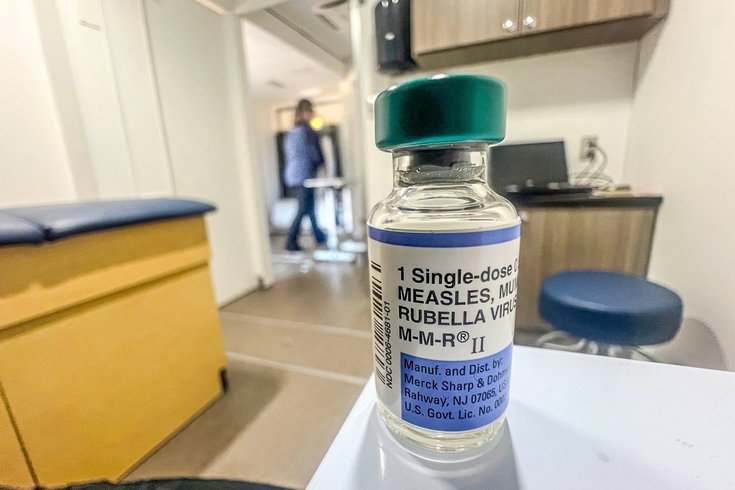 Ken Ruinard/USA Today Network via Reuters Connect
Women should receive the measles, mumps and rubella vaccine before pregnancy to protect against measles and congenital measles, which is on the rise again, health officials say.
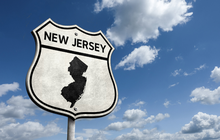
As Pennsylvania's measles outbreak escalates, state health officials are warning about a rise in measles cases during pregnancy and the state's first congenital measles cases in decades.
Congenital measles occurs when a pregnant woman becomes infected and gives birth to a baby with measles. The virus is transmitted while the baby is still in the womb. Congenital measles can lead to serious health issues for newborns, including brain inflammation and death, according to a recently published fact sheet from the American Academy of Pediatrics.
MORE: This AI model is trained to predict cancer survival from a single photo
Measles during pregnancy can lead to babies with low birth weights, premature delivery and still birth.
Before the availability of measles vaccines, nearly every person was infected with the highly contagious disease during childhood and either had serious adverse health outcomes or developed immunity through infection. This made congenital measles cases very rare.
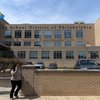
"It was virtually unheard of for someone to reach childbearing age and not have been naturally infected with measles," the Children's Hospital of Philadelphia's noted last month.
In 2000, the United States eliminated continuous, local transmission of measles, an achievement built upon widespread vaccination. But as vaccination rates drop and measles cases spread, congenital measles is becoming more common. The advisory the Pennsylvania Health Department issued Monday to health providers cites growing concerns about measles in pregnant women and cases of congenital measles. It also reinforces vaccination guidelines.
The health department has reported 66 measles cases in pregnant women since April. A health department spokesperson told NBC News that state law prohibits sharing information about outcomes from pregnancies of infected mothers, and health officials have not shared the exact number of congenital measles cases in Pennsylvania. But the advisory states that about one-third of babies born to mothers with measles contract congenital measles.
As of Monday, Pennsylvania had 1,286 measles cases in 42 counties, with five deaths, including one infant in 2026. The state has listed the death of another baby as "measles-related." The Centers for Disease Control and Prevention has reported 4,410 confirmed measles cases in the United States.
The best way to prevent measles during pregnancy — and congenital measles — is to get the measles, mumps and rubella vaccine before pregnancy, the health department said. Two doses of the MMR vaccine should be given to people who do not already have immunity, separated by 28 days.
Because the MMR vaccine is a live vaccine, it should not be given during pregnancy, and people should avoid getting pregnant for 28 days after being vaccinated.
Pregnant women who are exposed to measles and who are not immune should get an immunoglobulin shot within six days of being exposed to the disease to lessen chances or severity of infection, the health department said.
Congenital measles is treated with supportive care, such as fluids and possible administration of immune globulin, the AAP says.