



October 05, 2026
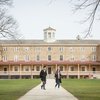
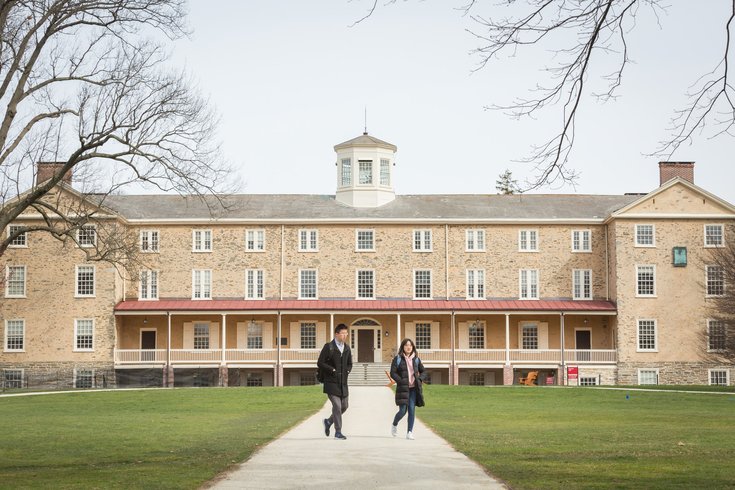 Thom Carroll/for PhillyVoice
Haverford College costs about $100,000 to attend after tuition, books, board and other expenses are compiled. Just 14 other schools in the United States have crossed this threshold, according to the Princeton Review.
The cost of attending college has been skyrocketing since the 1960s, but a select few have reached an astronomical new milestone. Recent data shows 15 schools in the United States now charge $100,000 or more in tuition and associated fees. Haverford College is one of the them.
Those numbers come from the Princeton Review, which compiled the prices for the 2026-2027 school year in its latest "Best 392 Colleges" ranking. According to the test prep company, it costs $100,026 to attend Haverford College, a small liberal arts school that straddles Delaware and Montgomery counties. That figure includes estimated fees for boarding, books and other expenses, but differs slightly from the school's own total. Haverford College puts its cost of attendance at $96,036.
It's a lot of money either way, but most students don't pay it. Haverford College says 51% of its undergraduates receive some form of financial aid and that 47% receive a grant. The average grant aid is $70,469, per the school. As the Washington Post noted, that's an average discount of about 71%.
This "high-tuition, high-aid" model is meant to attract students from wealthy families who can subsidize the cost for lower-income attendees, and it's grown increasingly popular amid falling enrollment and higher operating costs at American universities. But critics say it doesn't work in practice, because students with tight budgets may be put off from the sticker price or unaware of their financial aid options. Research from the Economic Opportunity Institute also suggests colleges that adopted the model actually shrank the number of lower-income pupils on campus.
The tactic is one of several that colleges across the country have been employing to stave off closures, though those are a growing trend, too. The Philadelphia region alone has seen several. Cabrini University, the University of the Arts, Rosemont College and the University of Valley Forge have all folded over the past three years, and the Pennsylvania Academy of the Fine Arts wound down its degree programs in 2025.
Follow Kristin & PhillyVoice on Twitter: @kristin_hunt
| @thePhillyVoice
Like us on Facebook: PhillyVoice
Have a news tip? Let us know.