




October 08, 2026
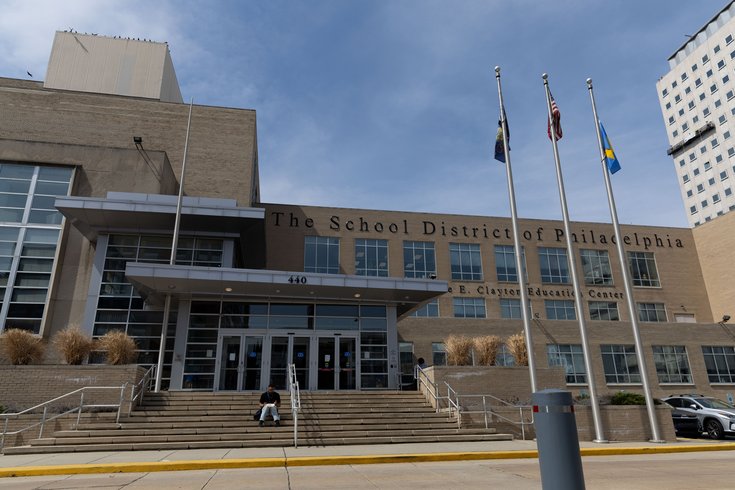 Colleen Claggett/For PhillyVoice
The School District of Philadelphia said it identified 720 students who were incorrectly dropped from rosters this year because they lacked supporting documentation.
The School District of Philadelphia said Thursday that 720 students were "inappropriately dropped" from school rosters because they lacked supporting documentation. The statement comes two days after an Inquirer story quoted anonymous principals who said students who dropped out or moved had been added back to their rosters ahead of an Oct. 1 deadline to report enrollment to the Pennsylvania Department of Education for funding purposes.
"The School District of Philadelphia takes the accuracy of its enrollment data seriously," the statement said. "... The Office of Student Enrollment and Placement will continue to work in collaboration with principals to follow District processes and procedures to prevent withdrawal errors."
Several principals told the Inquirer they received emails from the district notifying them that some students who had not yet attended class this year were returning to their school rosters.
"We are committed to enforcing the rules, improving data accuracy, and preventing children from falling through the cracks," Superintendent Tony Watlington said in a statement Thursday. "Dropping out of school is a life or death issue for many children."
Last year, the district reported receiving approximately $2.5 billion from the state and having an enrollment of 198,405 — which would equate to about $12,600 per student. If state funding was calculated based on a per-student scale, it would mean that 720 additional students would be the difference of more than $9 million. But Dan Urevick-Ackelsberg, a senior attorney at the Public Interest Law Center, said it's much more nuanced than that. While enrollment numbers play a part in the distribution of funding, it's a small piece of the puzzle and is calculated using three-year averages. The difference of 720 students, he said, would have little to no short-term impact on the amount of state funding the Philly school district would receive.
Principals are required to follow the state's withdrawal codes, Board of Education policy and federal guidelines, which require that school-age children provide "supporting documentation" if they are moving out of the state or country, enrolling in private school or transferring to another public school or district.
The written consent of a "person in parental relation" to the student is required for that child to withdraw, the district said. Other forms of "supporting documentation" were not disclosed.
"When multiple attempts are made by school staff and a student's school status cannot be verified, the principal is required to begin the truancy process before a student can be withdrawn," the district said.
The district's truancy protocol uses a multi-tiered intervention technique that includes issuing a formal notice of truancy after three unexcused absences and holding an attendance improvement meeting with the student and their family after six. If a student accrues 10 unexcused absences, they may be referred to Family Court for a hearing in Regional Truancy Court.
This story has been corrected to clarify how enrollment is factored in the distribution of state funding.