






May 15, 2026

 Source/Image licensed from Ingram Image
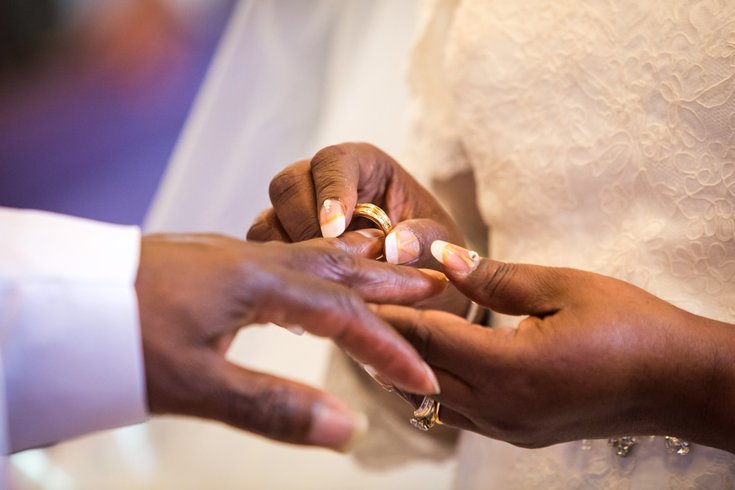
Marriage is linked to a substantially lower risk of developing cancer, new research shows. Never-married men are 68% more likely to develop cancer than married men. Women who never married are 83% more likely.
A recent study is a reminder that relationships have the power to protect your health.
Researchers at the University of Miami report that marriage is linked to a substantially lower risk of developing cancer. In an analysis of more than 4 million cancer cases, never-married men were 68% more likely to develop cancer than married men. Women who never married were 83% more likely.
Notably, this was one of the first studies to show a flip from older research: women appeared to benefit slightly more than men. Either way, the headline is the same — our social and emotional ties matter for both genders.
Sure, researchers have long connected marriage to healthier habits including less smoking, more routine medical care, and the practical stuff like shared resources. But even they said the strength of this finding was surprising.
Earlier research also has linked marriage to earlier cancer diagnosis and better survival, likely because a spouse nudges you to get checked out and shows up when things get hard. What's different here is that the focus isn't what happens after cancer — it's the odds of getting it in the first place. The study authors called marriage a "protective factor" that's been under-appreciated.
So what does that protection look like in real life, beyond a ring and a tax filing status?
Research has consistently shown that married people, on average, rack up more health-friendly behaviors: better eating habits, more physical activity, less smoking and less heavy drinking.
Part of it is simple accountability. Someone notices if you're living on cruise control and vibes. Part of it is support: it's easier to take a walk, cook dinner, or keep a doctor's appointment when you're not doing it solo. And that "I've got you" feeling can cut loneliness and stress — two things that don't exactly do your body any favors.
The Mayo Clinic puts it plainly: Lifestyle choices affect the chances of getting cancer. Translation: Load up on fruits and vegetables, consider a Mediterranean-style diet that includes more fish and less red meat, and avoid smoking.
The Mayo Clinic also flags the basics that are never trendy but always true: Maintain a healthy weight, exercise regularly and get routine medical care.
The American Cancer Society lands in the same place, noting that certain dietary patterns — and physical inactivity — are key factors that increase cancer risk. Its recommendations include cutting back on processed meats and ultra-processed foods (hello, packaged snacks) and building consistent movement into your week.
So yes, a healthier lifestyle can lower cancer risk. But here's the rom-com twist. Some of those same habits may can also level up your relationship. Research suggests diet and exercise can shape the quality, satisfaction and staying power of a marriage.
Couples that work out together report better workouts, better days overall and more relationship satisfaction than those who exercise alone, research shows. The Mayo Clinic notes that physical activity can help people connect with family.
The clinicians at the mental health practice Integrative Psych, say good nutrition supports libido and sexual performance through nutrients like zinc, vitamin C, vitamin E and omega-3 fatty acids. they also note that antioxidant-rich foods can support blood flow and arousal, essential vitamins and minerals can help regulate hormones tied to desire and balanced eating may reduce stress in ways that support intimacy.
Finally, therapists at the Willingness therapy clinics in Malta report that shared physical activity can strengthen emotional bonds. Working out together can create a shared sense of accomplishment, lower stress and build mutual support. Couples who make time for fun, active experiences together also report higher relationship satisfaction and happiness. Consider it a two-for-one upgrade.
Of course, plenty of people build long-term partnerships without getting married, and that's increasingly common. The University of Pennsylvania's Wharton School projects cohabitation rates will rise from just under 10% today to over 16% by 2040, with marriage rates dropping from 46% to below 40%. Bowling Green State University notes cohabitation is also gaining traction among adults 50 and older, with 55% of later-life partners choosing it for companionship and stability.
The good news? You don't need wedding bands to unlock many of the same health and relationship perks. Cohabiting couples can tap into them, too, by building shared goals, routines and habits that say, "we're in this together."
Couples that live together can work out as a duo, take long walks, try sports like swimming or tennis, or hit the gym side by side — where no one is checking for rings. That kind of joint effort may pay off. Research in the Journal of Social and Personal Relationships found that couples who exercise with a romantic partner report higher relationship satisfaction.
So what's the takeaway? Experts suggest marriage can boost certain aspects of a long-term relationship, including satisfaction, trust and economic security, but committed non-married relationships can reach similar emotional depth and stability when partners show up for each other with consistency and real support.
Over the years, I've shared enough of my own marital story here to prove I've had plenty of reps in the marriage-and-lifestyle arena. I wrote once about how relationships create accountability, support and motivation. I credited my wife, Maria, for putting up with the quirks of my routine.
More recently, I used our 17th anniversary to talk directly to my 50-plus men: The path to a supportive relationship is rarely a straight line. But the experts' point still holds. Healthy, loving long-term relationships can nudge us toward healthier choices, and those choices can add up over time.
If learning that marriage (or a truly supportive partnership) may reduce cancer risk pushes you to invest more in your relationship, your lifestyle, or ideally both, then that's a win. A big part of my advocacy is blasting out the science showing how social and emotional connection can keep us healthier and happier. Consider this another installment. Now go grab your person and take a walk.