






May 21, 2026
Getting an AI-powered answer to a health question is easier than ever. Tools like ChatGPT and Claude can explain medical terms, summarize treatment options, and answer general wellness questions in seconds.
But easier access to information doesn’t always mean better medical guidance.
Here’s where AI may be helpful and where doctors still matter most.
In an emergency, AI should never be your first stop.
Some medical emergencies, including severe bleeding or broken bones, are easy to recognize. Others, such as heart attacks and strokes, can be harder to identify but still require immediate medical care. Symptoms including chest pain, shortness of breath, sudden numbness, confusion, trouble speaking, or facial drooping should be taken seriously.
If you think you or someone else may be having a medical emergency, call 911 or seek emergency medical care right away instead of relying on AI for guidance.
AI can sometimes be helpful in better understanding symptoms or learning about possible conditions before seeing a doctor. But AI cannot be relied upon to diagnose illnesses or injuries on its own.
Doctors look at more than a list of symptoms. They consider your medical history, risk factors, physical exams, test results, and details that you may not have provided in your AI prompt. Two people with similar symptoms can end up with very different diagnoses based on their overall health and medical history.
AI tools can also generate inaccurate information or responses that sound convincing even when they’re wrong or the information is outdated.
For people managing chronic conditions, AI may be most useful between doctor visits. AI tools can help you better understand a diagnosis, organize questions before appointments, or learn more about medications and treatment options. AI can also be used to help track habits related to sleep, exercise, or nutrition.
But long-term treatment decisions still should be made with guidance from a doctor who understands your health history and how your condition has changed over time. Even advanced AI tools may miss subtle changes or important details that could affect care.
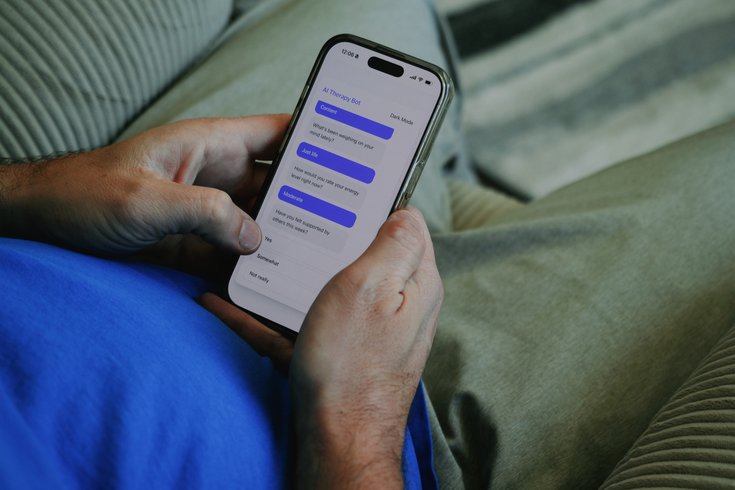
AI is becoming a more common tool for people looking for emotional support, and chatbots can offer coping suggestions, journaling prompts, or general wellness advice for stress and anxiety.
For some people, that convenience can feel helpful in the moment. But it’s important to remember that AI tools are not trained therapists. They may provide you with responses that are incomplete, inappropriate, or misleading in sensitive situations.
Recent reports have also raised concerns about people becoming overly reliant on AI chatbots for emotional support, particularly in serious mental health situations.
Anyone dealing with ongoing anxiety, depression, or emotional distress should seek support from a licensed mental health professional.
In a mental health emergency, immediate human support is especially important. If you or someone you know is considering self-harm or suicide, call or text the 988 Suicide & Crisis Lifeline.
AI tools are changing how people access health information, and they may help patients become more informed and more prepared for conversations with their doctors.
But medicine still depends on human judgment, experience, and personalized care. AI may be able to answer questions, but it cannot replace the expertise of trained medical professionals.