


November 12, 2026
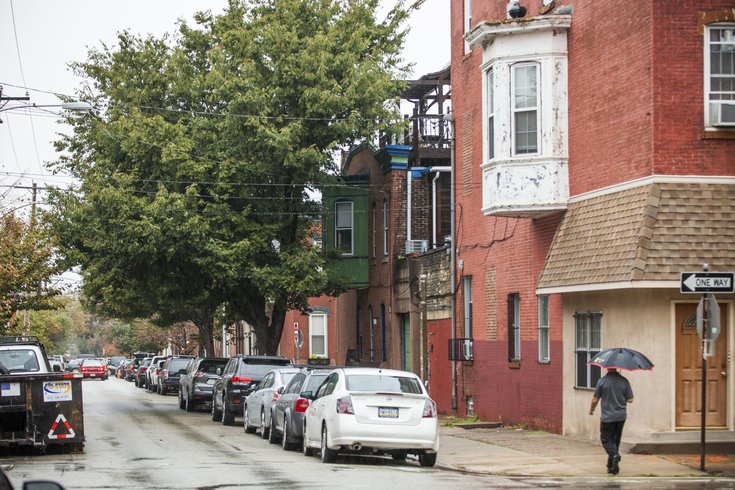 Thom Carroll/for PhillyVoice
Philly added 18,581 trees, including 6,832 on the sidewalk and 5,200 in residential yards, from 2023-2025, according to a new report.
The coalition tasked with boosting Philly's tree canopy planted over 18,000 trees during the past three years, providing an encouraging if incomplete picture of the city's progress on its long-term greenery goals.
That data comes from a report released Thursday on the Philly Tree Plan. Formulated in 2023, the initiative aims to increase the city's tree canopy, defined as the layer of leaves and branches that cover the ground when viewed from above, from 20% to 30% by 2035. The plan outlines 26 short-term and 41 longer-term action items designed to achieve this benchmark.
The Philly Tree Coalition, the private-public entity tasked with implementing the plan, has crossed 12 of the short-term tasks off its list, according to the report. Another 12 are listed as "in progress," meaning the goal has not yet been met, even if "substantial work" has been completed. The coalition has made no headway on two short-term action items — expand heritage tree protections during development and increase incentives for preserving large trees. The city has, however, already hired a sidewalk coordinator, meeting a long-term goal.
The report breaks down the number and type of trees planted each year from 2023-2025. Most of the 18,581 trees the coalition added to the city's grounds were street trees (6,832) or yard trees (5,200), categories that both require residential initiative. Only homeowners can request street trees for the sidewalk outside their property, while any resident or owner can claim a yard tree at the city's spring and fall giveaways.
The coalition also planted 5,681 trees in Philadelphia parks, 441 on school properties and 427 in watershed areas.
The report does not disclose whether the overall tree canopy increased or decreased during this period. The Philly Tree Plan was adopted after an assessment found that the city's canopy shrank by 6% between 2008-2018, a loss equivalent to over 1,000 football fields. But the coalition's director Kiasha Huling said that metric was not collected to "give our trees an adequate interval of time to assess their growth and survival." The next assessment will take place in 2028.
While Huling says they are "on track toward canopy growth" given the increase in planting rates and opportunities, she emphasized in an interview conducted this summer that numbers are just one of several measures of success.
"We don't want to get to 2035 and just do a snapshot and say, great, we’re at canopy, but the canopy is consisting of things that are not sustainable," she said. "... The goal is to get the trees in the ground but also get them in the ground in the right places and with the right care and with the right amount of resources so that they can thrive, survive and then actually lend to our canopy count."
To that end, the coalition has also invested significant time in maintenance — at least 47,157 hours, to be exact. That's the total time devoted to the 30,415 tree inspections the organization conducted over the three-year period. Huling says they received over 400 calls through 311 about felled or mangled trees in the two weeks following the July microburst storm alone, demonstrating the importance of saving existing trees and clearing the ones they can't.
Another priority for Huling is the adoption of street trees, which she sees as their "largest opportunity for canopy increase." In conversations with communities, her team has learned that the biggest hurdle is not disinterest or wariness among residents, but structural barriers like stumps or underground utility equipment that prevent plantings. The city will also deny permits for street trees if they would block right-of-way signage or cut into the 3 feet of walking space that federal disability law requires. Huling says she's been working with the permitting office to shift thinking from flat-out denials to compromises such as moving a proposed planting spot "over by like one slab of concrete" to make the process easier for residents.
Some of the coalition's greatest successes have come from projects with significant community investment, Huling said. The report outlines productive, grant-funded collaborations with groups like the Olney Culture Lab and Woodlands Trust for Historic Preservation. These "neighborhood-led" projects helped tackle green growth in the plan's "priority areas," where tree canopy is as low as 5%. They include Kensington, Harrowgate, Cobbs Creek, Grays Ferry, Hunting Park and Kingsessing, among many others. The coalition has sorted the entire city by highest to lowest priority on an interactive map to identify the best spaces for new trees.
Through these and other initiatives, Huling hopes to bring a bit of nature — even "pocket spaces of green," like community gardens — to every corner of Philadelphia. If the plan is successful, it would ultimately save an estimated 400 lives per year due to the protection from extreme heat and pollution that trees provide. Substantial canopy cover is also associated with decreased criminal activity; the city's reporting estimates a 12% dip in crime if the benchmarks are met.
"It’s very important that if you can’t have a tree on your block, you shouldn’t have to get in your car and drive another 15 minutes to an accessible green space," Huling said.
Follow Kristin & PhillyVoice on Twitter: @kristin_hunt
| @thePhillyVoice
Like us on Facebook: PhillyVoice
Have a news tip? Let us know.