



October 22, 2026
 Colleen Claggett/For PhillyVoice
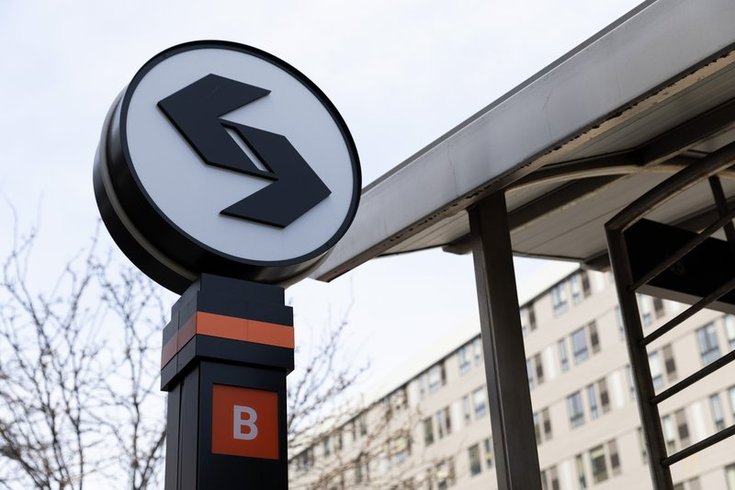
A reintroduced City Council bill would set aside 0.5% of the city's general fund for SEPTA affordability programs, including the city's Zero Fare program.
Programs that make public transit more affordable to Philadelphia residents and workers could receive permanent support from the city under an updated proposal introduced Thursday in City Council.
The legislation, initially proposed by Councilmember Nicolas O'Rourke (Working Families Party-At-Large) in April 2025, would set aside 0.5% of the city's General Fund for a transit access programs. That money would be used to support the Zero Fare, Key Advantage and Key Partner programs. It also would require the city's managing director or another designated office to submit an annual Transit Access Plan with the yearly operating budget.
MORE: Cellphones to be banned in Pennsylvania schools from 'bell to bell' next school year
Zero Fare is an experimental city program that offers free SEPTA fares to residents living at or below the poverty level. SEPTA's Key Advantage and Key Partner programs offer discounts to employees at participating employers, including some universities and nonprofits. Per the legislation, the Transit Access Plan would outline a five-year outlook at improving transit accessibility, including expanding some of those programs.
O'Rourke's office said he hopes to secure the funding in time to be included in the next city budget. Budget negotiations begin next spring.
Zero Fare was established during former Mayor Jim Kenney's second term. Mayor Cherelle Parker initially proposed eliminating funding for the program in her first budget proposal, because it used funds from the COVID-era American Rescue Plan, but she ultimately set funded it after receiving backlash. O'Rourke's legislation would help make the program a permanently funded fixture.
A study of Zero Fare from the Better Government Lab, released earlier this month, found that participants were 15% more likely to take at least one SEPTA trip each month. Weekly riders increased their usage by 16.6% and daily riders were 10.6% more likely to use SEPTA. Participants in the program are selected at random through a lottery.
"We have to wield SEPTA's affordability and accessibility together, so I know we're all excited to build a transit authority that meets the mark on both of those fronts," O'Rourke said during Thursday's meeting.
O'Rourke also said Key Advantage was a selling point for retailer Burlington to move its headquarters from South Jersey to Philadelphia. The city's $8 million economic development package to entice the company included $1 million for free SEPTA passes for employees.
The legislation now heads to committee and will need to be approved there before it can return to the council floor for a final vote. The previous version was introduced as a charter change, which would have required a public vote in the form of a ballot question.